
Build the capability inside your own company
A system is only effective when the crew can operate it in the time available.
Build PSC capability inside your own company and stop paying premiums for third-party pre-inspections. Delivered by former AMSA PSC trainers, per the requirements of IMO Model Course 3.09.
First-party inspection by your own people, carrying your own outcome — for Australian and international operators. Not certificate checking done for you by a visitor.
Former AMSA PSC trainers
Trained to IMO Model Course 3.09 — inspectors, not desk auditors.
Evidence-based reporting
Photographed findings mapped to the applicable rule.
Regime-literate
Port State control, SIRE 2.0, RISQ and DryBMS.
Australian and international
Courses have been delivered in Singapore and India, and at other operators' sites.
Capability you keep, not a bill you repeat
Deficiencies and effective systems, understood by the people who carry the outcome — so the first inspection of your ship is the one your own officers run.
In-house inspection capability
Your senior officers and shore staff prepare the ship, run the engagement and close findings out with evidence — in your own name, on your own schedule.
Annual review and benchmarking
DryBMS expects the self-assessment inside your annual management review, evidenced by inspection findings and performance trends. RISQ 3.2 now asks the master whether it has been completed.
Current with the ports that matter
Live inspection experience in the major iron ore and coal ports of Australia, including a previous Principal Advisor Cargoes for AMSA.
Free of commercial pressure
Section 1.8.3 of the IMO Procedures requires those assisting inspection to be free of commercial pressure. We are not employed by ports, class or repair yards.
You find the deficiencies first, so they are closed out before a port State control officer ever sees them. That is what keeps ships off the Warning List, and it is what earns the trust of charterers and terminals — without the wear on crew and equipment that constant third-party pre-inspection testing puts on a ship.
We enforced the standard we now prepare you for
A third-party pre-inspection tells you what a visitor found on the day. Our people were the officers who wrote the findings. Under the 2026 Procedures what is being tested has moved to the crew, and that is precisely where a visitor cannot help you.
Inspectors, not ex-crew
Led by former AMSA Port State Control officers who inspected ships in Australian ports. Clear grounds, detention decisions and the professional judgement behind them are explained from the side that made them.
Detention risk read from the inspector's side
A.1206(34) gathers the grounds for detention into one appendix. We assess a ship against them the way the decision is actually reached, not against a generic checklist.
Tested in their own environment
We know what an AMSA inspection does to a crew: the nerves, the hesitation, the officer who knows the answer and cannot produce it under observation. We put your people through that on your own ship, before it counts. A paperwork audit cannot rehearse it.
The deficiencies we used to write
Training is built on real deficiency work, photographed and mapped to the applicable rule, so your officers learn to recognise a finding before an inspector writes it.
What a pre-arrival inspection cannot do
Section 1.6 defines operational control as a check on the effectiveness of communication, interaction and familiarity of the crew. No visitor installs those.
It leaves when it finishes, and the capability leaves with it. The next inspection starts from the same place as the last.
It gives you a report. It does not give you officers who can read their own ship.
The 2026 Procedures are in force, and the emphasis has moved toward the crew
IMO Resolution A.1206(34), adopted 3 December 2025, took effect on 1 January 2026 and revoked A.1185(33). The human element now carries its own definition in the instrument, and operational control is written as a test of the crew.
Operational control defined
Operational control now carries a definition in the instrument, and it turns on communication, interaction and familiarity of the crew. The equipment has not changed; the way the crew is assessed around it has.
Detention grounds consolidated
Clear grounds for detention are gathered into one appendix, drawing in items previously spread across the ISM, LRIT, STCW and MARPOL Annex VI appendices. Same grounds, one list, easier to be measured against.
MARPOL Annex VI
This area has been clarified rather than expanded, including the documentation expected on board. Worth a look at your own records before a port call, not a reason to rebuild anything.
This is the standard your ship is measured against on arrival.
Know which regime you are being measured against
Each asks different questions of the same ship. We work across all of them and tell you where your exposure actually sits.
DryBMS
A management-system standard, not a ship inspection. Scored across four levels — your shore office is assessed alongside the fleet.
Port State control
Detention risk, targeting factors and concentrated inspection campaigns — screened before arrival rather than explained afterwards.
SIRE 2.0
Risk-based, question-pool driven and heavily crew-focused. Preparation is about demonstrated competence, not tidy folders.
Evidence the regimes already ask you for
Training your own people is not a side activity — three of the regimes above ask for it directly.
Beyond minimum STCW
Training refreshed and evaluated for effectiveness. Real deficiency case work is that evidence, ready for your self-assessment.
Your deficiency history
Pre-inspection preparation pulls your port State control record straight into the inspection. Fewer deficiencies means a cleaner record before the inspector boards.
Demonstrated capability
Training and competency is scored on demonstrated capability, not paperwork. Former AMSA officers running live scenarios is the demonstrated part.
Operational control tests the crew, not the paperwork
The 2026 Procedures define operational control in the instrument itself, and the definition is about people:
A control inspection to confirm the master and crew are familiar with essential shipboard procedures … It includes a check on the effectiveness of communication and interaction and familiarity of the crew, including the human interface.
A.1206(34), appendix 10, section 1.6 — definition of operational control
Communication, interaction, familiarity, the human interface. Section 3.3 requires the officer to make an overall assessment of exactly those four. No folder evidences them and no third-party pre-inspection installs them — they belong to your crew, which is why the capability has to sit inside your company.
Independent of others, not coached
Section 3.1: the responsible crew member must operate essential equipment independent of others, and care is taken that they are not coached through it. Rehearsed answers now fail on the spot.
The crew as a whole
Section 1.4: the officer exercises professional judgement on whether the operational proficiency of the crew as a whole is sufficient to let the ship sail. One strong officer does not carry a weak team.
STCW is the benchmark, not the ceiling
Section 1.5: minimum familiarisation and basic safety training under STCW 1978, as amended, is the benchmark against which drill ability is assessed. Meeting the minimum is where assessment starts.
Records first, then demonstration
Section 1.2: training and drill records are reviewed before any practical control is required. Records that stand up shape how far the inspection goes.
The regulator is not the enemy.
One disputed deficiency should not define your relationship with an authority. Holding a position with evidence is a skill, and it is teachable.
What the crew is actually asked to demonstrate
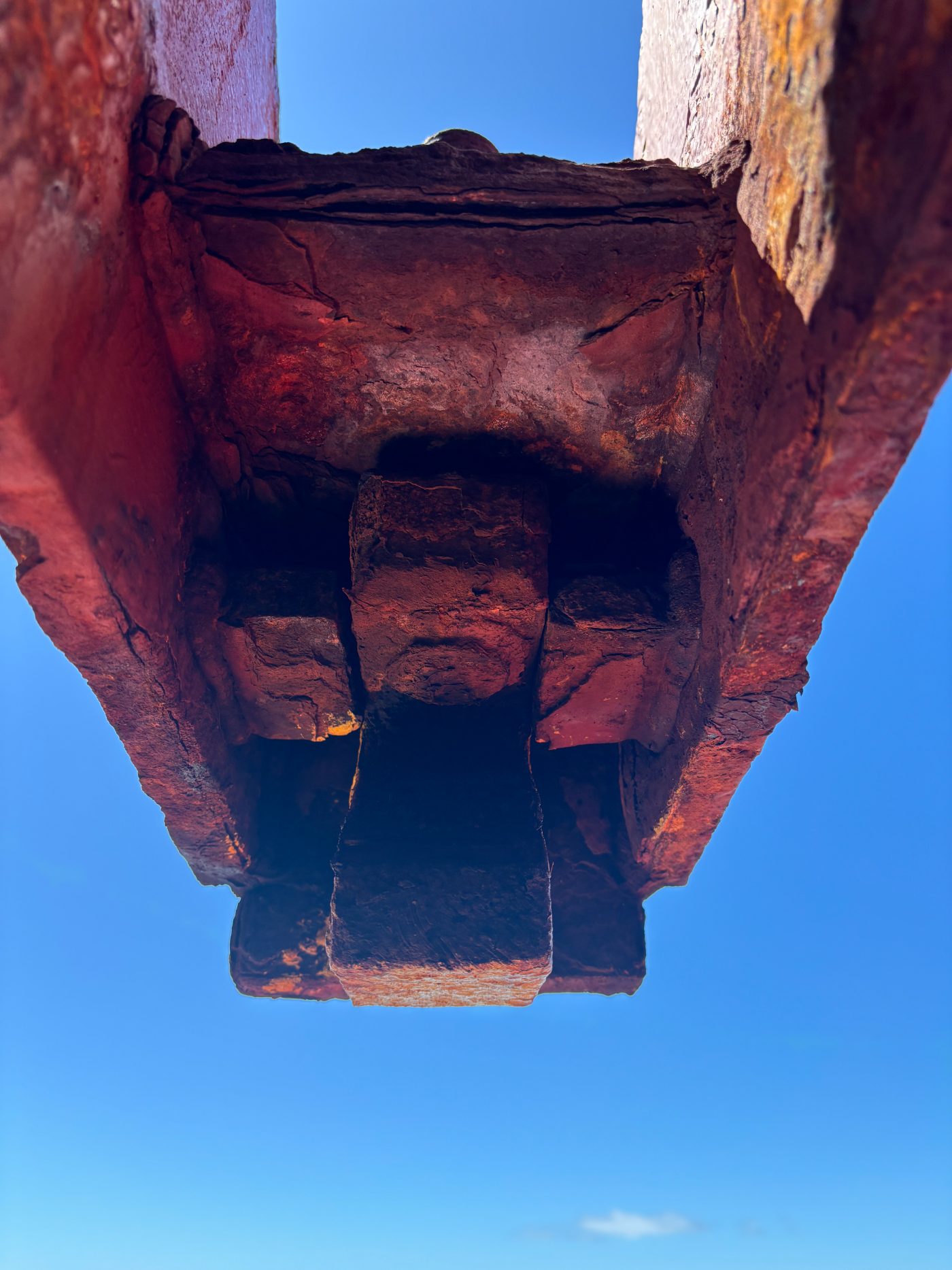
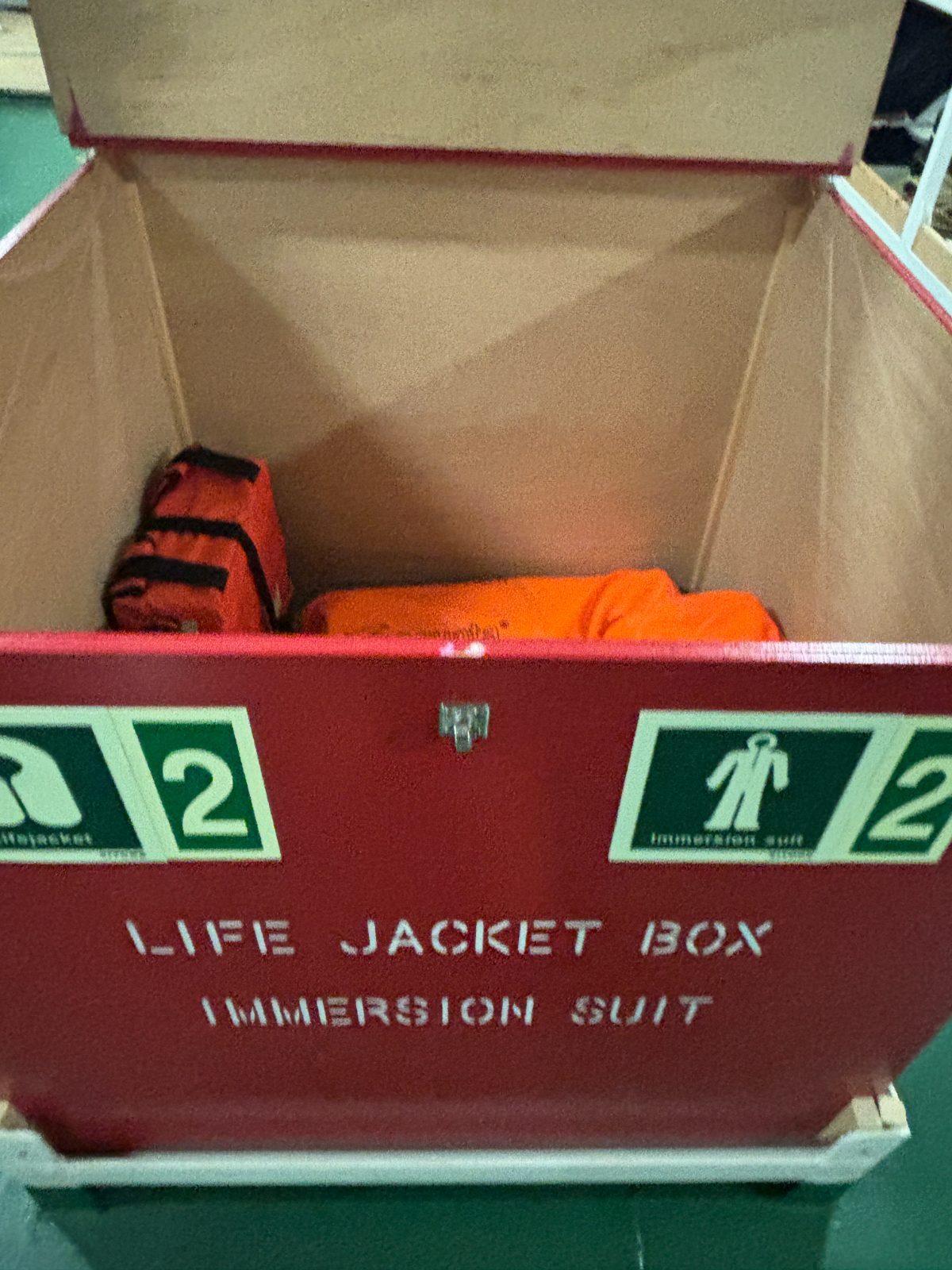
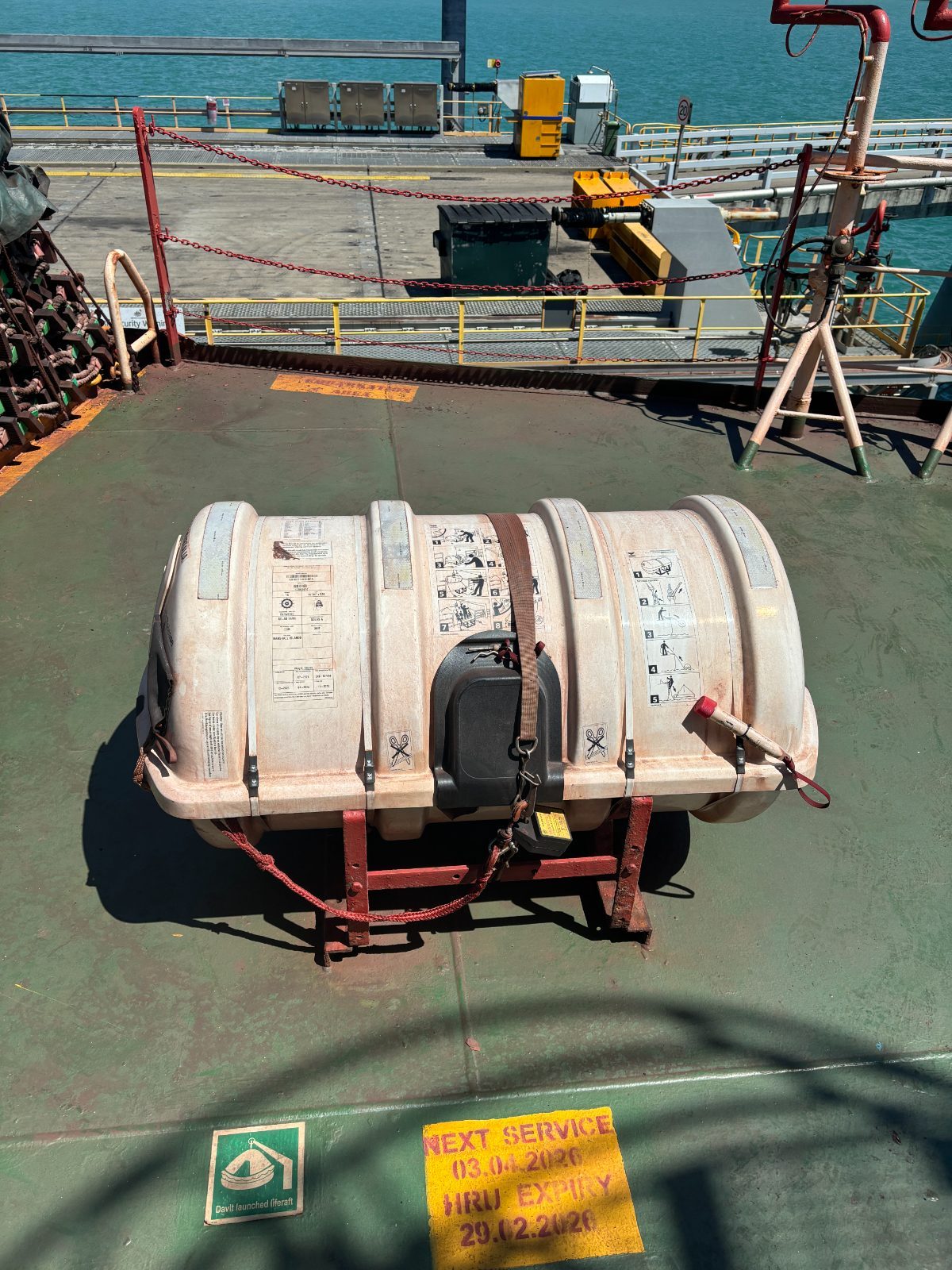
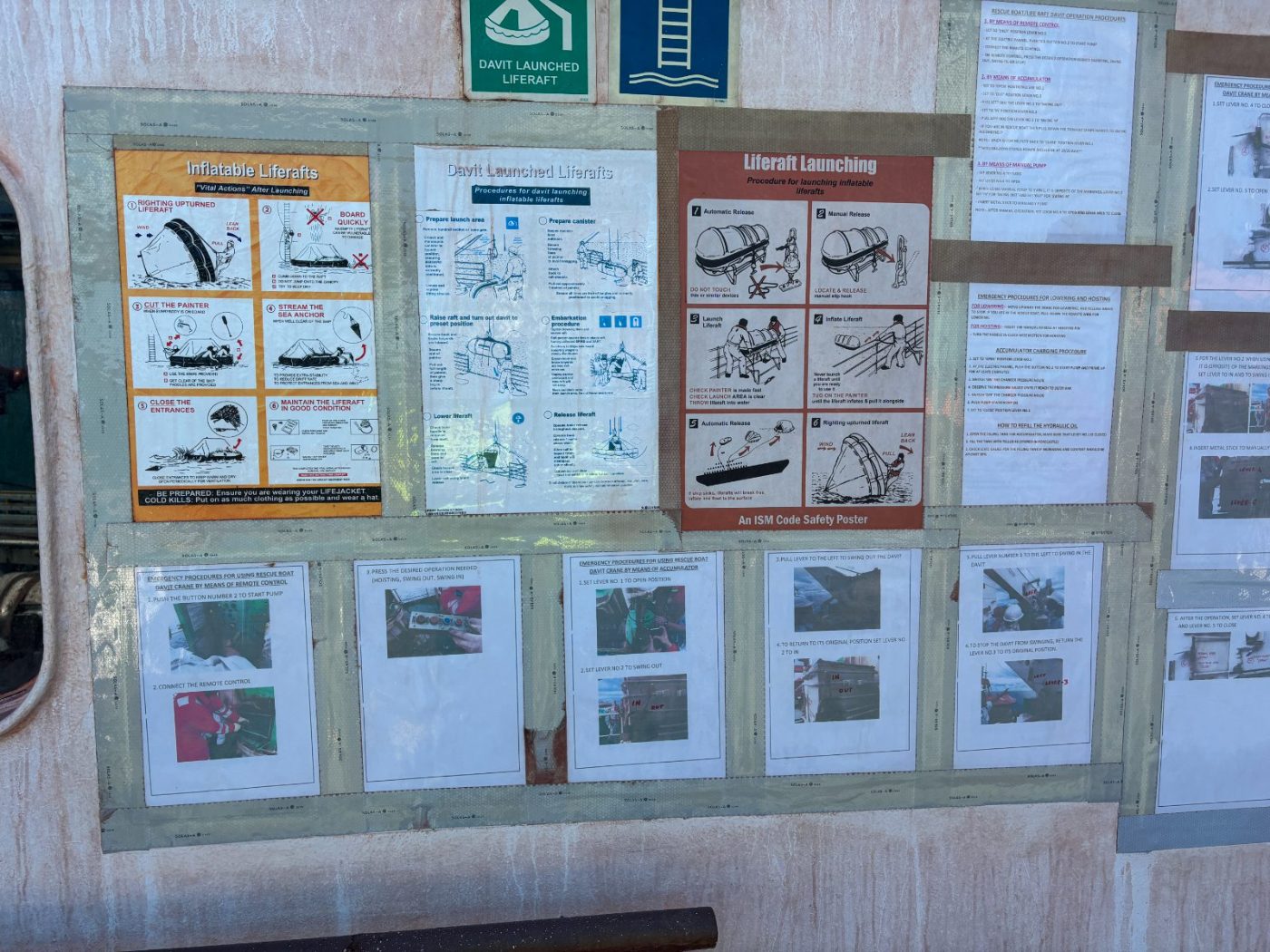
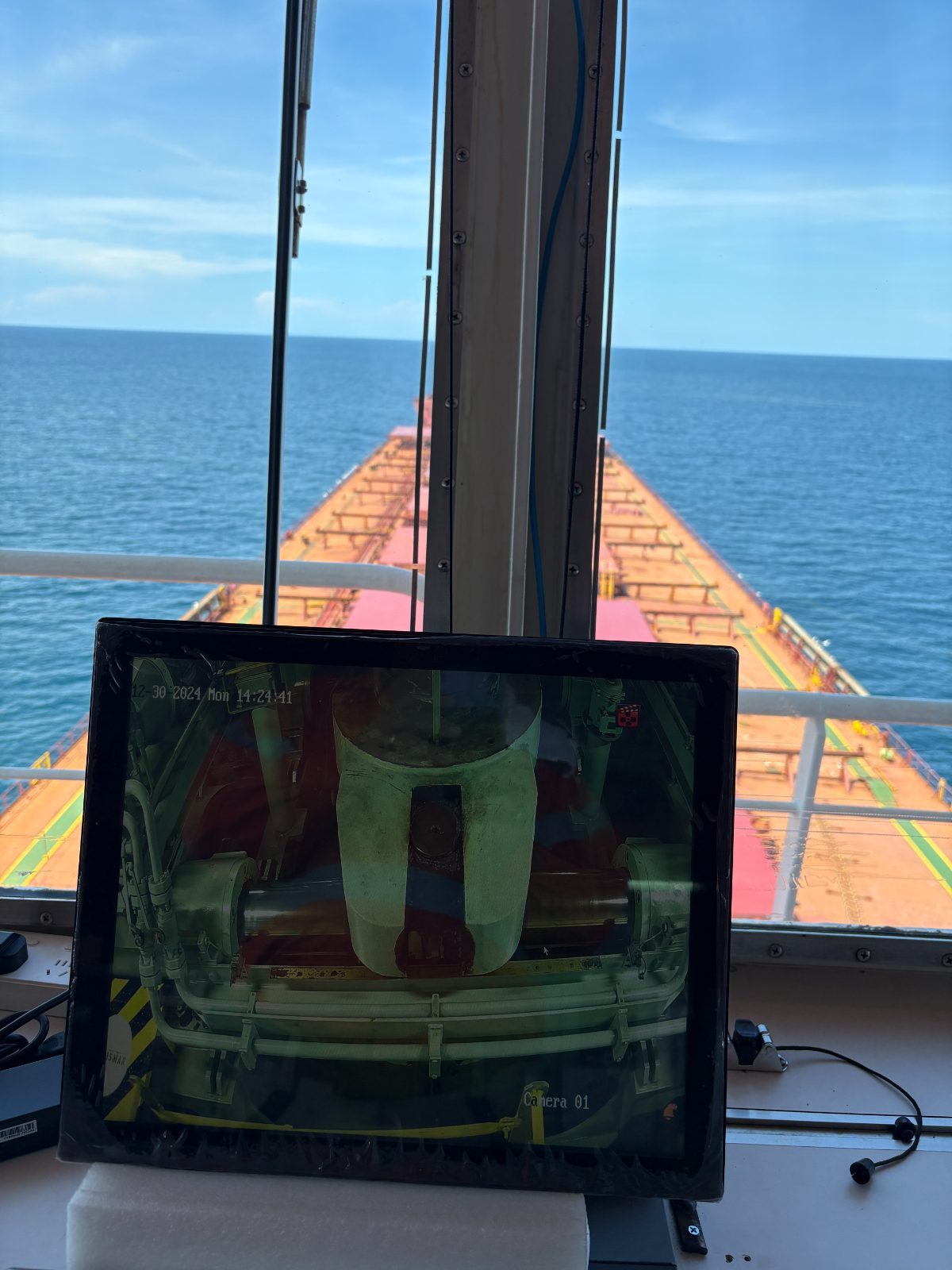
From the deck above it reads as surface rust. From underneath it is wastage. The story a structure tells depends entirely on where the inspector stands.
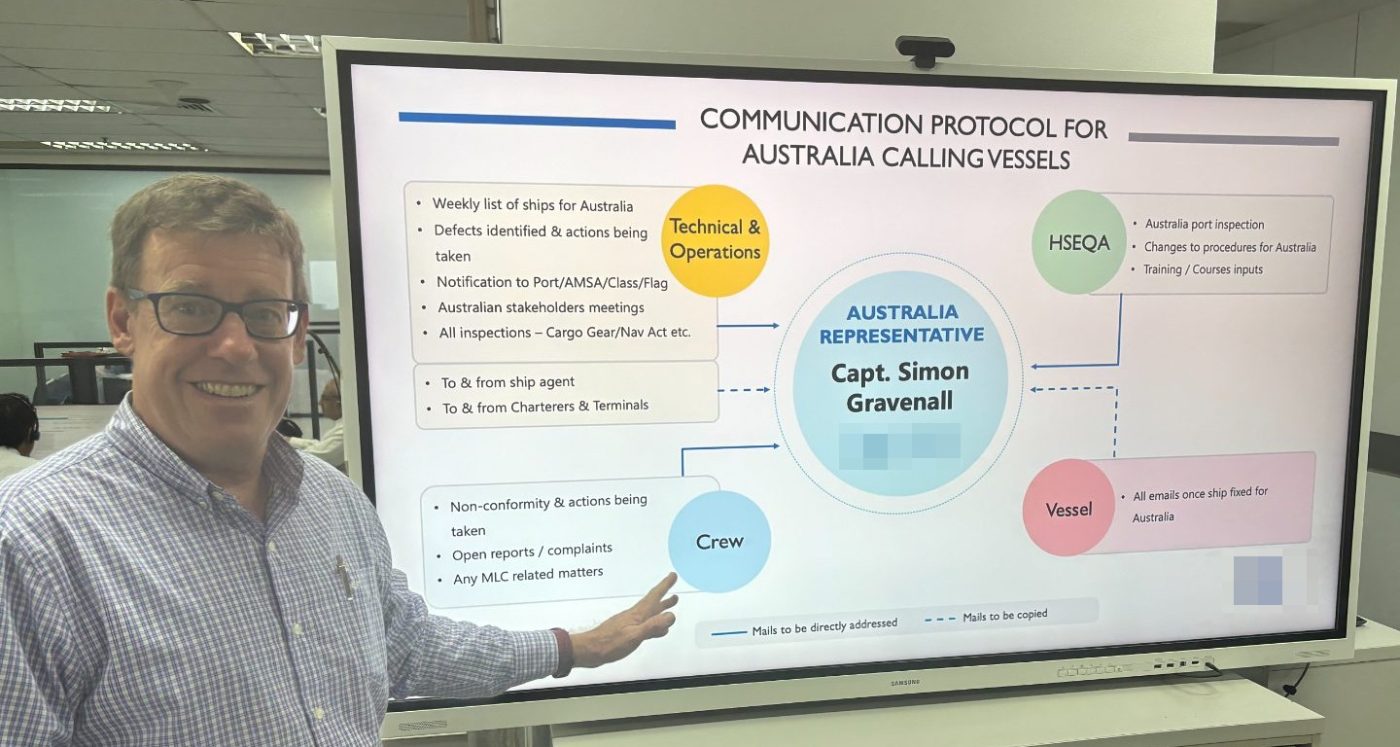
Three former AMSA Port State Control trainers
The people running your session inspected ships in Australian ports and trained the officers who inspect them now. The same material has been conducted for operators in Singapore and India.
Experienced inspectors and trainers
Trained to IMO Model Course 3.09 and current with how Australian ports apply it. They have written the detention, defended the finding and sat across the table from the master.
Conducted outside Australia
The programme has been conducted in Singapore and India, at operators' company offices and at training facilities.
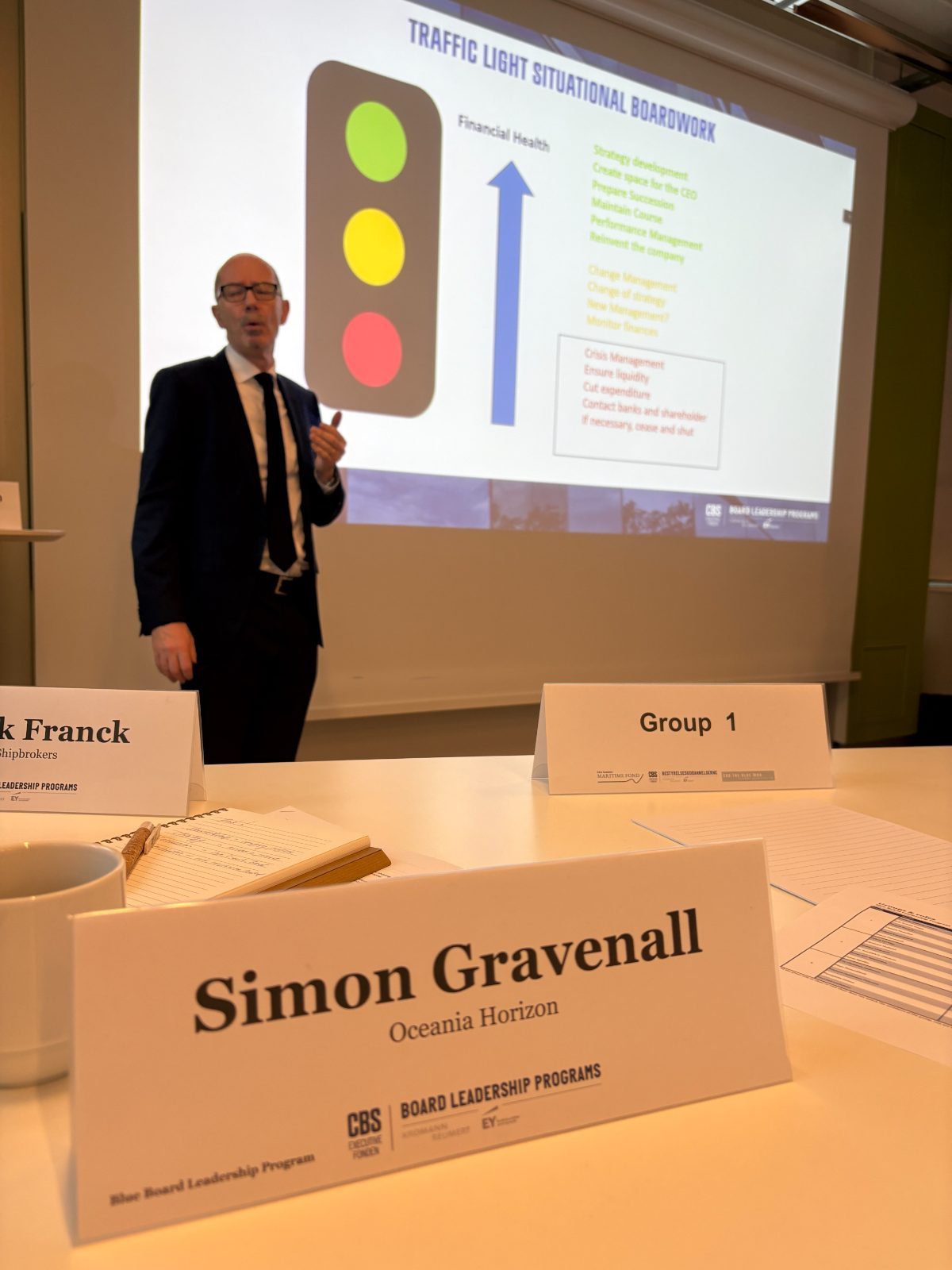
A confident, assured, practically minded applicant who remains well-versed in current maritime regulations. A charismatic leader with a genuine passion for the profession and many initiatives that have improved industry governance and safety. Adept at relationship building and forthright in his opinions, but thoroughly grounded and pragmatic in his expectations for change.
Scoped in writing, delivered on your site
Programme content, case material and assessment design are proprietary and are shared with engaged clients only. What we publish is the outcome, not the method.
Who it is for
- Ship managers and owners
- Technical superintendents
- Fleet directors
- Designated Persons Ashore
- Vetting superintendents
- Masters and chief officers
- Chief and second engineers
Anyone who carries the inspection outcome, ashore or on board.
- 01You tell us the exposureFleet, trade, the ports you call and the inspection record you are carrying.
- 02You share your safety management systemWe read your SMS, procedures and inspection record before we write anything. The training is built to your system, not to a generic one.
- 03We scope it in writingScope is set by who needs to be in the room and what evidence you will hold at the end, not by a fixed number of days.
- 04Delivered where your people areOn your site or at a venue you nominate, boardroom style, senior officers and shore staff together.
- 05You keep the capabilityYour own first-party inspection routine, plus the evidence the assurance regimes ask you for.
IMO resolutions and industry reference
The documents our findings cite, kept in one place for masters, superintendents and course participants.
| Reference | Title | Category | Document |
|---|---|---|---|
| A.1206(34) | Procedures for port State control — adopted 3 December 2025, in force 1 January 2026, revoking A.1185(33) | Port State control | Read |
| A.1185(33) | Procedures for port State control, 2023 — superseded, retained for comparison against the current edition | Port State control | Read |
| A.1071(28) | Standards for training and certification in ISM familiarisation | Safety management | Read |
| DryBMS | Dry Bulk Centre of Excellence — Dry Bulk Management Standard | Management standard | Open |
| SIRE 2.0 | OCIMF Ship Inspection Report Programme — risk-based inspection regime | Vetting regime | Open |
| ABS Q2-2026 | Port State control quarterly report — detention trends and deficiency categories | Industry data | Read |
| Tokyo MOU | Port State control in the Asia-Pacific region — annual reports and detention lists | PSC regime | Open |
| Paris MOU | Paris Memorandum of Understanding — performance lists and inspection results | PSC regime | Open |
| USCG | US Coast Guard port State control — annual reports and targeting matrix | PSC regime | Open |
| AMSA | Australian port State control annual reports | PSC regime | Open |
Send us the resolutions, questionnaires and reports you want held here and we will index them into this table.
Talk to us
Your fleet, your site and the number of people who carry the inspection outcome is enough to start.
Response within one business day.
Australian and international operators.
No mailing list, no newsletter.
Your message is open in your mail app
We have pre-filled it with your details. Send it from your own account and we will respond with scope and availability.